


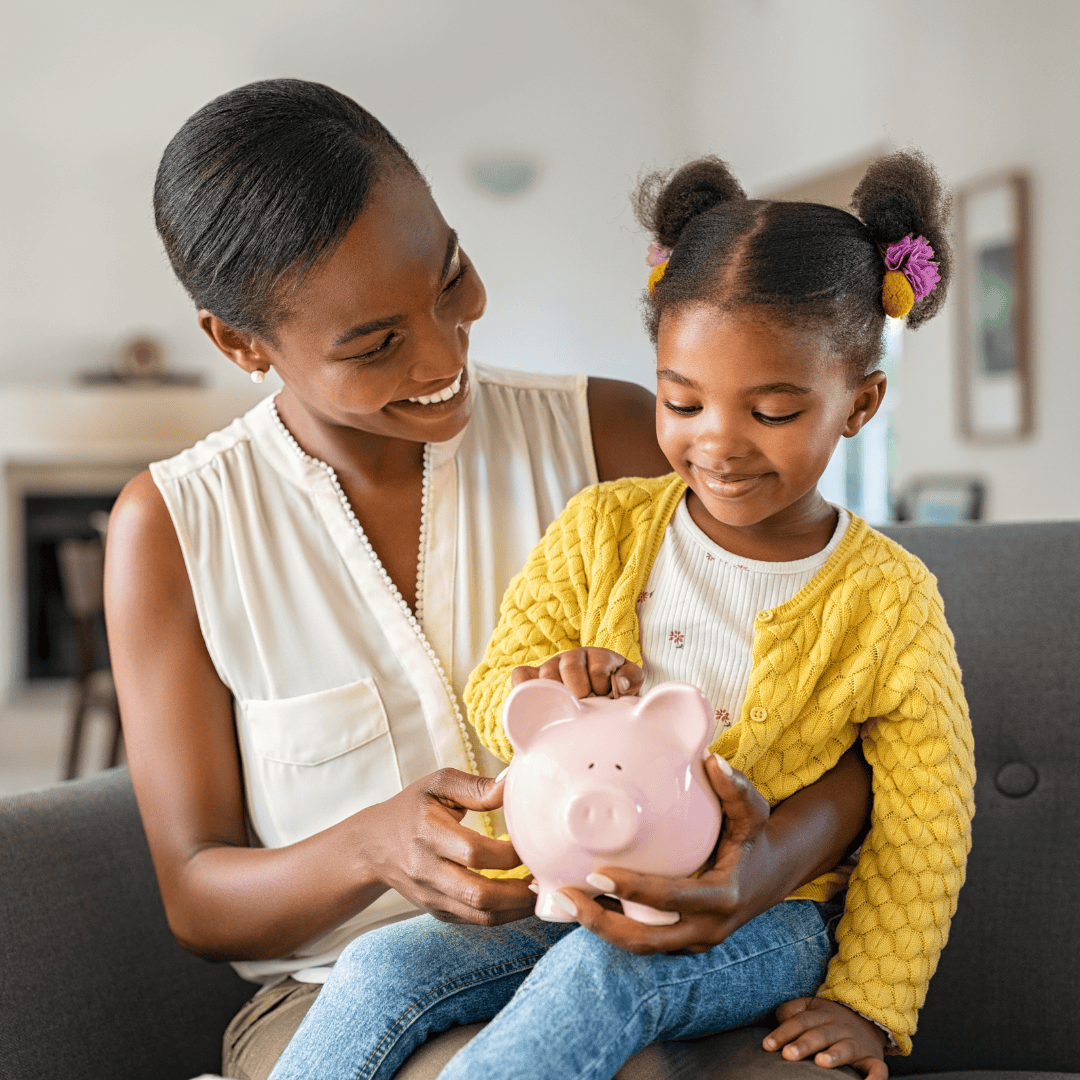
The way we manage our finances teaches children important lessons. By showing healthy money habits, we help kids learn how to handle money well themselves. Here are seven ideas to help shape how children think and act about money. These simple lessons give you chances to show good money habits in daily life.
- Share how money works in daily life. Even children as young as age four can learn during shopping trips or family outings. Show them different ways to pay, like coins, bills, or cards. Talk about what costs money, such as toys, groceries, or trips to the zoo. Also, point out that some valuable things, like helping a neighbor or playing with friends, are free.
- Show children how adults earn money. Talk about your job or how family and friends make a living. Help younger kids notice that people like teachers, bus drivers, and mail carriers all earn income. With older kids, think together about ways they could earn their own money, like dog walking, yard work, or babysitting.
- Build a simple budget. Teach kids to make a simple budget around age eight. Help them plan their spending for a week or a special event. For older kids, talk about earning an allowance. For teens, set up a monthly allowance for gas and extras. When the money runs out, they wait until next month. Download our monthly budget worksheet.
- Plan out purchases. For kids of all ages, making a list before going to the store helps reduce impulse decisions. Have your child help list everything you need before leaving the house. Then, when they ask if they can have something else, remind them that it's not on the list. If your child gets upset, calmly explain that you are following the plan and that learning to stick to a list helps everyone be thoughtful with money. You might say, "I know it's hard to wait, but sticking to our list helps us make good choices." For older kids, introduce the idea of waiting to buy something they want. Delayed gratification is a hard concept even for most adults. For any items on a "wish list," discuss the cost and help them plan for the money needed to purchase them.
- Teach kids to be smart shoppers. When grocery shopping or making big purchases, let kids help find coupons or sales. Take them along to compare prices so they see the differences. Give them time to help look for the best deals on clothes or party supplies. With older kids, read reviews and compare products when shopping online.
- Show kids how credit works. Let your kids see you use your card at the gas station or grocery store. Explain that you are borrowing money and will need to repay it, sometimes with interest. When the bill comes, go over it together. Stress the importance of paying on time and keeping balances low. With older kids, talk about credit scores and reports. Show them your own as an example. Teens should know that a good credit report will help them later on. Check out our blog post on teaching kids about credit for additional resources.
- Teach kids to save money early. Show them how to set aside part of their allowance or gifts for emergencies or special purchases. One way to make saving more fun is to use a clear jar or container, so your child can watch their savings grow over time. You can also offer to match a portion of what they save, which encourages them to set aside even more.
One of the best ways to build good money habits is by opening a youth account. Maine Family FCU partners with The Art of Allowance Project to provide financial education resources for the whole family alongside youth savings and checking accounts. Check out the resources on our website and visit your local Maine Family FCU branch to open a youth account today!
